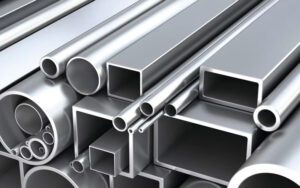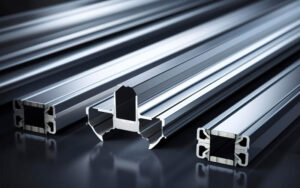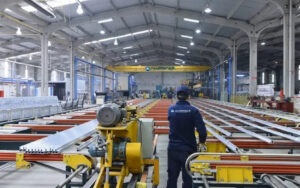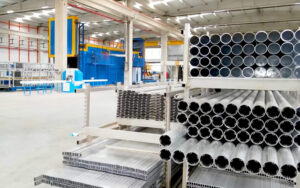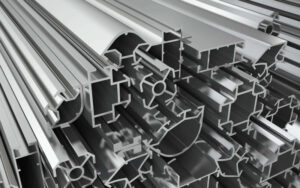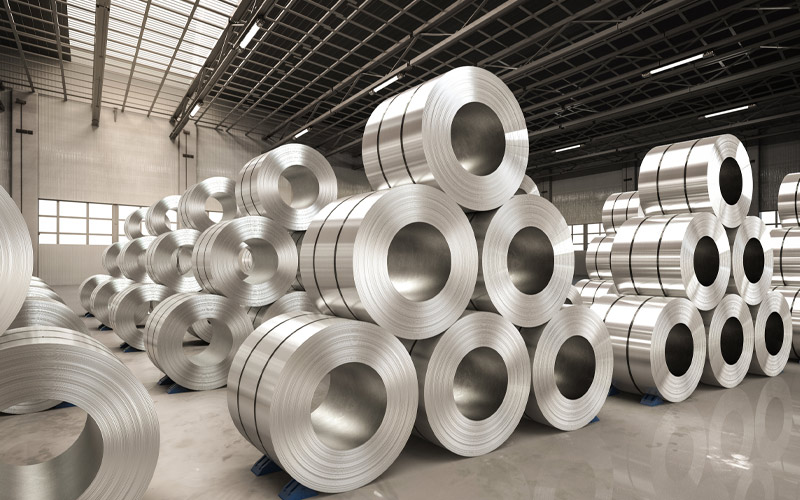
Aluminum profiles play a critical role across modern industries — from architectural systems and construction to transportation and industrial manufacturing. The long-term performance of these components depends not only on raw material quality, but also on disciplined process control, engineering precision, and systematic quality management. Below is a structured overview of how aluminum profiles are manufactured, inspected, and aligned with international standards.
Core Stages of Aluminum Profile Manufacturing
Raw Material Selection and Alloy Verification
Production begins with selecting aluminum alloys tailored to the intended application. High-purity billets undergo chemical and metallurgical testing to confirm composition, ensuring the final profile meets strength, machinability, and surface quality expectations.
Melting and Extrusion Preparation
Verified alloys are heated under controlled conditions to achieve a homogeneous structure. The material is then extruded through precision dies to form the required profile geometry. This stage is crucial for dimensional stability, wall consistency, and structural integrity.
Controlled Cooling and Mechanical Stabilization
Freshly extruded profiles are cooled using calibrated methods designed to optimize internal stress distribution and mechanical strength. Proper cooling ensures long-term dimensional reliability and minimizes deformation risks.
Precision Sizing and Finishing Operations
Profiles are straightened, cut, and refined to meet tolerance specifications. Surface finishing improves both functional performance and visual quality while preparing the material for downstream applications.
Surface Treatment and Protection
Depending on usage requirements, profiles may undergo anodizing, powder coating, or specialized finishing processes. These treatments enhance corrosion resistance, UV durability, and surface hardness while improving aesthetic consistency.
Integrated Quality Control Framework
Quality management is embedded throughout the entire manufacturing workflow rather than treated as a final checkpoint.
Incoming Material Inspection
Laboratory analysis validates alloy composition and physical properties before production begins, preventing variability at the source.
In-Process Monitoring
Dimensional checks, surface evaluations, and extrusion stability assessments are conducted during manufacturing to maintain consistency.
Final Verification
Completed profiles undergo mechanical, dimensional, and visual inspection to confirm compliance with application requirements and performance standards.
Standards and Certification Alignment
Reliable aluminum profile production requires adherence to internationally recognized frameworks. Quality management systems such as ISO ensure traceability and continuous improvement, while standards like EN and ASTM provide reference criteria for mechanical and structural performance. Compliance with these benchmarks supports repeatable manufacturing quality and dependable field performance.
Engineering-Driven Manufacturing Approach
Aluminaks Aluminium & Accessories applies a process-driven manufacturing philosophy centered on precision extrusion, disciplined quality control, and standards compliance. Each stage — from alloy validation to surface finishing — is systematically monitored to deliver aluminum profiles engineered for durability, consistency, and application reliability across demanding sectors.